
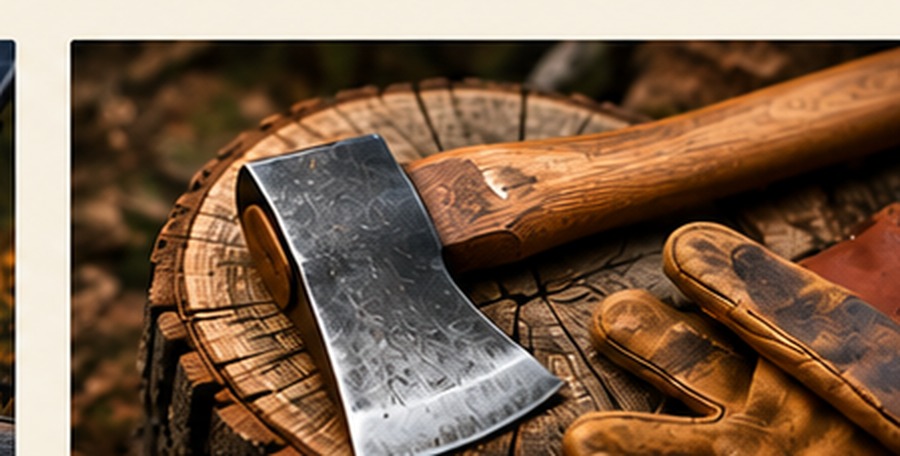
Great equipment is rarely the most complicated. For practical field use, reliability, repairability, and familiarity often matter more than novelty. Good gear earns trust through repeated, ordinary use.
Look for replaceable parts
When evaluating a tool, ask whether the battery, strap, blade, gasket, or other wear component can be replaced. Consider how easy it is to clean, inspect, and store the item. The ability to maintain gear extends its useful life and makes it easier to rely on.
Choose a few things well
An everyday flashlight, durable water container, comfortable backpack, and simple hand tools can each serve many purposes. Keep their limits in mind, and never rely on a tool that you have not learned to operate safely.
Keep a maintenance rhythm
Once or twice a year, inspect battery condition, check seals, test lighting, confirm charging cords still work, and replace damaged supplies. A brief checklist turns a drawer of gear into a system you can actually use.
Practical beats theatrical
The best preparedness equipment is useful on normal days. It belongs in your life before it is needed in an emergency.
Editorial note: We have not independently tested every equipment type discussed. Verify current guidance with appropriate authorities and product manufacturers.
← Back to stories